Double Frame Embroidery Design Review
First Impressions of Double Frame
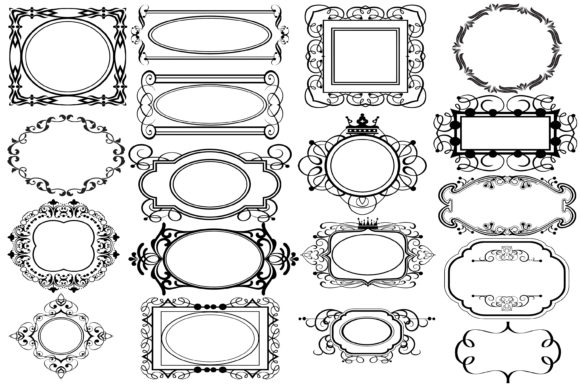
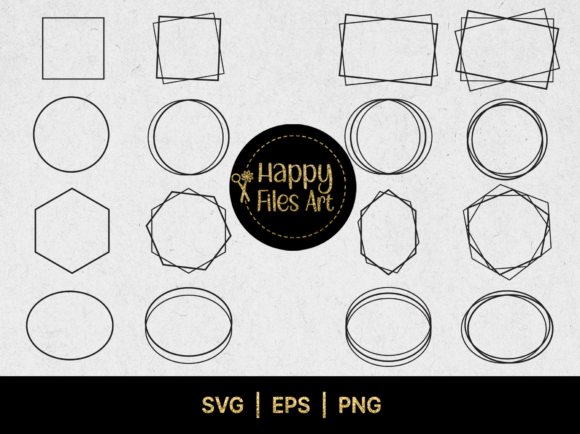
From the moment I opened the Double Frame SVG file bundle, I was struck by its clean, hand-drawn aesthetic. The designs feel intentional and versatile, with a balance of structure and organic flow. Circles, squares, rectangles, hexagons, and ovals each bring a different visual personality, making this set ideal for a wide range of embroidery projects.
The shapes are simple enough to work well on custom apparel, but they also have enough detail to stand out on baby items, holiday gifts, or boutique merchandise. It’s clear that these designs were created with both practicality and creativity in mind.
Real-Life Use Cases for Double Frame
Imagine you're working on a custom embroidered tote bag for a client who wants something elegant yet modern. Double Frame could be the perfect base for a monogram or decorative border. The variety of shapes allows for creative layering, giving the finished product a polished, handmade look without being overwhelming.
For a small shop product, like a personalized apron or kitchen towel, Double Frame offers a subtle yet eye-catching design element. It’s not too busy, which is great for maintaining clarity on smaller items or when using multiple colors.
When considering baby items, such as a onesie or a blanket, the simplicity of Double Frame ensures it won’t clash with other elements. It can be used as a central motif or as an accent, depending on the desired effect.
Performance in Different Embroidery Scenarios
Double Frame works well on most standard fabrics, but there are a few considerations. For example, on thin or stretchy materials, the stitch density might need adjustment to prevent puckering or distortion. It’s always a good idea to test the design on scrap fabric before committing to a final project.
On textured or dark fabrics, the contrast between the stitches and the background becomes crucial. If you’re using a light thread color on a dark fabric, make sure the design is visible and doesn’t get lost in the background. Conversely, on light fabrics, a darker thread color can add depth and definition.
For curved surfaces like caps or hats, the design may require some minor adjustments to ensure it sits correctly. The corners of the frames might not lie flat, so testing is essential before applying the design to a finished product.
Where to Use Double Frame Carefully
When working with small hoop sizes, Double Frame might be too large to fit comfortably. In such cases, consider cropping or resizing the design to match the available space. This will help maintain stitch quality and prevent the machine from struggling with the design’s dimensions.
If you're planning to use Double Frame on layered garments or products that require frequent washing, make sure the design is stable and won’t fray over time. A proper stabilizer is key here, especially if the fabric is lightweight or stretchy.
For detailed corners or tiny lettering, Double Frame might not be the best choice. Its focus is more on geometric shapes than intricate details. If you need something with more complexity, you might want to look for a different design.
Impact on Visual Appeal and Customer Perception
Double Frame adds a level of sophistication to any embroidery project. Its clean lines and balanced composition make it ideal for commercial embroidery, where consistency and professionalism are key. When used on a handmade product or personalized gift, it elevates the overall look and makes the item feel more special.
Customers often respond positively to well-designed, recognizable elements. Double Frame can help create brand consistency, especially for Etsy sellers or small shop owners looking to establish a signature style. It also enhances the giftability of a product, making it more appealing for weddings, holidays, or personal milestones.
From a business perspective, Double Frame can increase the perceived value of a finished product. Whether it's a custom sweatshirt, an embroidered patch, or a printable mockup, the design adds a touch of quality that customers appreciate.
Practical Designer Notes for Using Double Frame
Before using Double Frame in your next project, always test it on scrap fabric. This helps you see how the design looks in real life and identify any potential issues with stitch density or thread color contrast.
Review the stitch density settings on your embroidery machine. Some designs may require a bit more stabilization, especially if they’re placed on delicate or stretchy materials. Make sure the design is compatible with your hoop size and that all elements fit within the stitching area.
Check the design in black and white mockups to see how it translates without color. This can help you decide whether to add multiple thread colors or keep it simple. Also, compare the design on both light and dark fabric backgrounds to ensure visibility and clarity.
Finally, confirm the licensing terms before using Double Frame for commercial projects. Even though the product description mentions it’s suitable for designing, monograms, and invitations, it’s important to verify that it meets your specific needs for resale or digital distribution.