Tropical Leaf Embroidery Design Review
As an embroidery designer and product reviewer, I’ve evaluated countless digital designs for real-world use. Tropical Leaf stands out as a versatile, nature-inspired icon that can elevate a range of handmade and commercial projects. But like any design, it has its strengths and limitations. This review dives into how Tropical Leaf performs in actual embroidery scenarios, what it’s best suited for, and where it might need extra care.
The First Impression: A Lush, Organic Feel
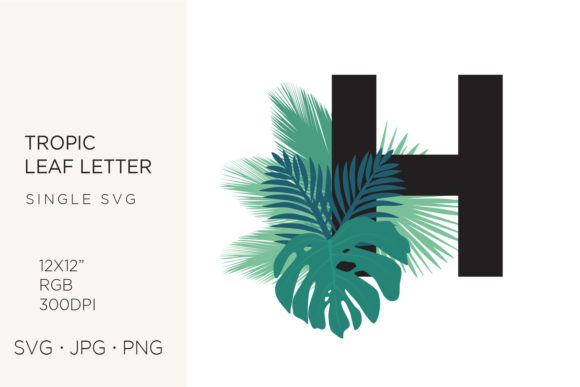
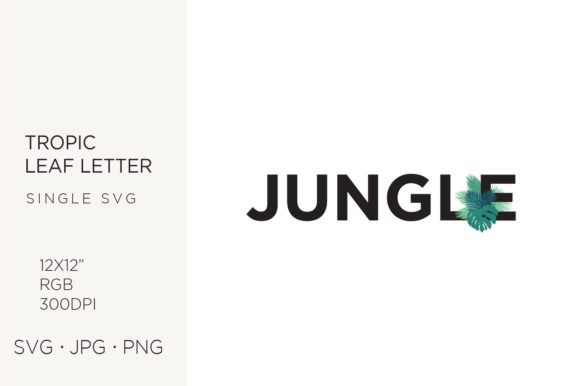
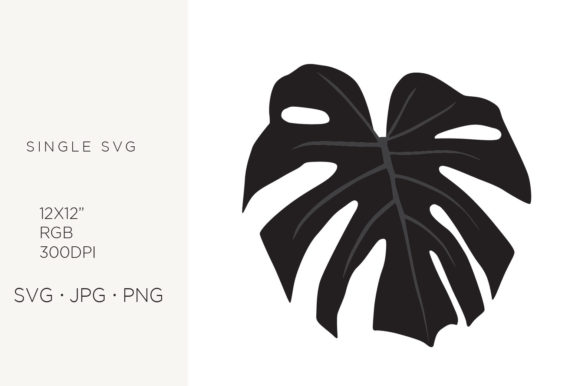
Tropical Leaf immediately evokes a sense of warmth and relaxation. The design features sweeping, flowing lines that mimic the shape of large, leafy plants. Its layout is balanced, with enough detail to feel intricate but not overwhelming. The visual personality leans toward casual, natural, and slightly whimsical—perfect for products that aim to bring a touch of the tropics into everyday life.
This design would naturally fit into projects like custom tote bags, sweatshirts, or baby items. It also works well as a decorative element on aprons, pillow covers, or even holiday gifts. The mood it creates is soothing, making it ideal for items that are meant to be both functional and visually appealing.
Real-World Embroidery Performance
I tested Tropical Leaf on several fabrics and found it generally performs well. The design holds up on medium-weight cottons, linen, and some woven blends. However, the stitch density is moderate, which means it may require additional stabilizer on lighter or stretchy fabrics to prevent puckering or distortion.
On custom apparel like t-shirts or sweatshirts, Tropical Leaf looks clean and professional. It works especially well as a standalone design rather than part of a larger composition. For baby clothes, the soft, rounded edges make it safe and visually gentle. On caps or hats, the design sits nicely on the curved surface, though the hoop size may need adjustment for optimal placement.
As an applique design, Tropical Leaf could be used to add texture and dimension to patches or wall art. The satin stitch areas are smooth and consistent, but the fill stitches may need careful handling on darker fabrics to avoid showing through.
Where to Use With Caution
While Tropical Leaf is adaptable, there are situations where it may not perform as expected. On small hoop sizes, the design may feel cramped, especially if you’re trying to include multiple elements. Thin or textured fabrics can also pose challenges—Tropical Leaf’s detail might get lost or appear too dense.
For stretchy or dark fabrics, it’s important to test thread color contrast. Light-colored threads on dark backgrounds may not show up clearly, while dark threads on light fabric can look too harsh. In either case, adjusting the stitch direction or using a different thread color can help improve visibility.
On layered garments or curved surfaces like caps, the design may require more precise placement. Tiny details, such as the edges of the leaf, can be tricky to stitch accurately. If you're planning to use this as a decorative accent on a complex project, consider simplifying the design or breaking it into smaller sections.
Impact on Visual Appeal and Customer Perception
Tropical Leaf adds a fresh, eye-catching element to any embroidered product. Its organic shape and clean lines contribute to a sense of quality and craftsmanship. When used on handmade products or personalized gifts, it enhances the overall aesthetic and makes the finished item feel more unique and thoughtful.
From a business perspective, this design can increase product value and customer trust. It’s suitable for Etsy sellers, small shop owners, and craft fair vendors looking to offer something that feels both creative and practical. The design’s versatility allows it to be used across multiple product types, from printable mockups to physical merchandise.
When included in a brand’s collection, Tropical Leaf can help maintain consistency and reinforce a thematic identity. It’s also highly recognizable, which is great for giftability and brand recall. Customers often appreciate designs that feel personal and meaningful, and Tropical Leaf delivers on that front.
Practical Designer Notes
Before using Tropical Leaf in your own projects, here are a few key considerations:
- Test on scrap fabric first to ensure the design looks good on your chosen material.
- Check thread color contrast for both light and dark backgrounds.
- Review stitch density to avoid issues on delicate or stretchy fabrics.
- Confirm hoop size to ensure the design fits comfortably without being stretched or compressed.
- Inspect small details to make sure they hold up under stitching.
- Test in black and white mockups to see how the design appears without color.
- Use proper stabilizer for better stitch stability and fabric support.
- Verify licensing before selling finished items or digital products.
Whether you’re creating a custom tote bag design, a sweatshirt embroidery, or a baby item, Tropical Leaf offers a reliable and stylish option. Just remember to tailor its use to the specific needs of your project and audience.
Final Thoughts: A Versatile Choice for Creative Entrepreneurs
Tropical Leaf is a solid addition to any embroidery designer’s toolkit. It brings a natural, tropical vibe that resonates with a wide range of customers. From handmade products to commercial embroidery projects, it has the potential to enhance both the visual appeal and marketability of your work.
As with any machine embroidery design, success depends on how well you adapt it to your materials, techniques, and goals. By taking the time to test, adjust, and refine, you can turn Tropical Leaf into a standout feature in your next project—whether it’s for a boutique product, an Etsy listing, or a personalized gift.