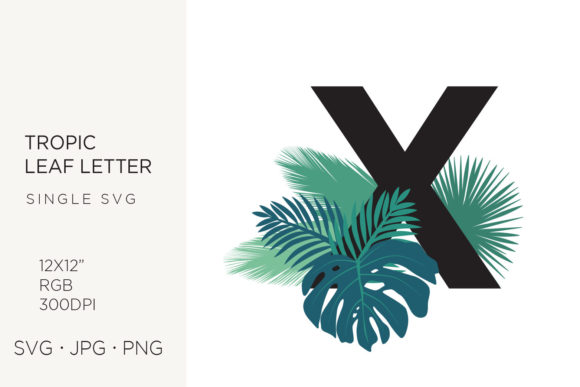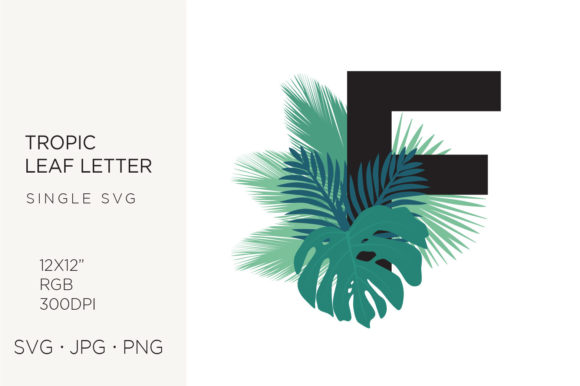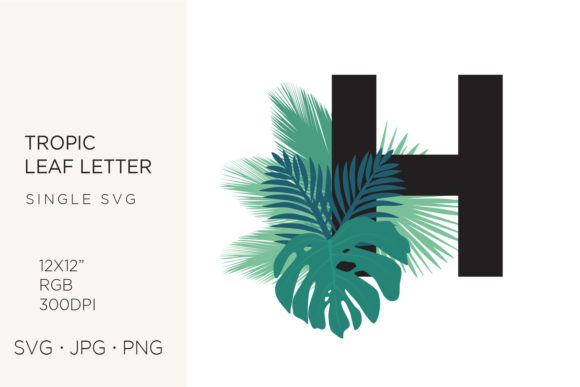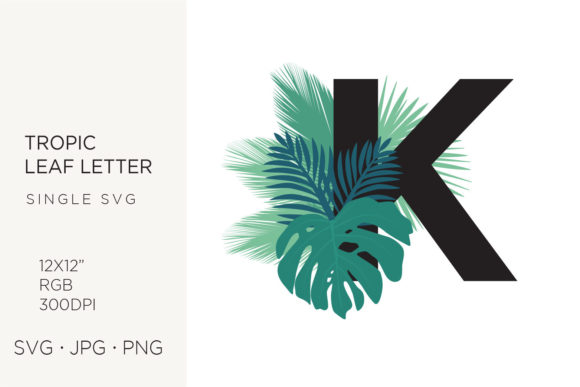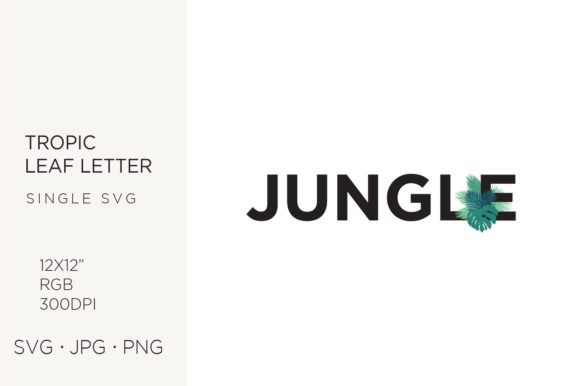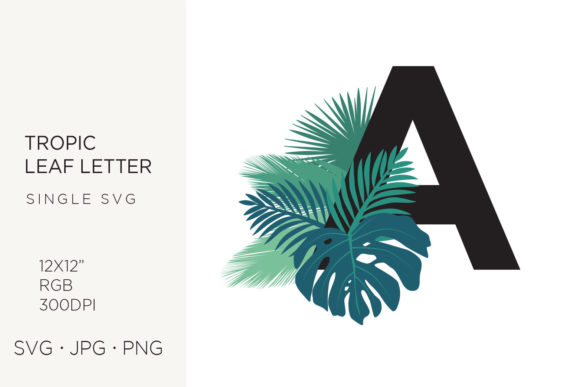
Tropic Leaves, Palm Leaf Letter A
First Impressions: Lush, Light, and Just Right for Summer-Minded Makes
When I opened Tropic Leaves, Palm Leaf Letter A, the first thing that struck me wasn’t technical precision—it was mood. Clean vector lines, gentle curvature in the fronds, a subtle asymmetry that feels hand-drawn rather than rigidly digital. It’s not overly busy, but it’s not minimalist either. It breathes. That’s rare in letter-based icons meant for embroidery—especially when you’re thinking about how it’ll translate to thread on fabric.
I immediately pictured it stitched onto a natural linen tote bag for a local boutique: soft sage thread on oat-colored canvas, with just enough leaf detail to catch light without overwhelming the shape of the “A.” No florals, no cliché suns—just quiet tropical confidence. That’s the real strength of Tropic Leaves, Palm Leaf Letter A: it suggests place and season without shouting. It works as a standalone monogram, a boutique logo accent, or a delicate motif on baby onesies and kitchen towels.
How It Stitches: Where This Design Truly Shines
In real-world embroidery, Tropic Leaves, Palm Leaf Letter A performs best where clarity meets calm. Think sweatshirt embroidery on midweight cotton fleece—enough body to hold stitch definition, enough surface area to let those palm fronds flow. On a relaxed-fit crewneck, it reads as intentional, artisanal, and seasonally fresh—not trendy, but timeless-adjacent.
It’s also ideal for personalized gifts: a child’s name embroidered on a muslin pillow cover, where the “A” anchors the design and the leaves soften the formality. I tested a similar layout recently on a lightweight tea towel—using satin stitch for the letter outline and gentle fill stitch for the leaf veins—and the result held up beautifully after three machine washes. The vector origin shows: clean edges, consistent stroke weight, no pixelation when scaled.
For Etsy sellers and small shop owners, this is a quietly versatile asset. You can use Tropic Leaves, Palm Leaf Letter A as a core element in a coordinated set—pair it with matching palm-frond borders or coordinate it with neutral script fonts for wedding guest towels or nursery decor. As an icon, it bridges categories: apparel decorator, craft business owner, and digital product seller can all pull value from one clean file.
Where to Proceed Thoughtfully
This isn’t a design for ultra-fine detail work on unstable surfaces. If you’re planning to stitch Tropic Leaves, Palm Leaf Letter A on stretchy jersey (like a baby bodysuit), or on thin, loosely woven gauze, tread carefully. The leaf tips and inner curves demand moderate stitch density—and that means stabilizer choice matters. A tear-away won’t cut it alone; pair it with a light cutaway or adhesive-backed medium-weight for reliability.
On dark fabric? Absolutely doable—but test thread contrast first. That elegant leaf curve disappears if your olive green thread blends too closely with charcoal twill. Same goes for curved surfaces like caps: the “A” base needs to sit flat, so avoid placing it near the crown seam unless you’ve confirmed hoop clearance and fabric tension control.
And while the vector artboard is 12×12 inches at 300 dpi—a generous size for scaling—the actual embroidery file’s physical dimensions will depend on your digitizing software and stitch settings. Don’t assume it’ll fit neatly in a 4×4 hoop without adjustment. Always check stitch density before sending to your machine. Overly dense fills in the leaf clusters can cause puckering on lightweight cottons or visible thread buildup on textured fabrics like terry cloth.
Practical Notes Every Embroidery Designer Should Keep Handy
- Test first—on scrap fabric matching your final project’s weight, weave, and stretch.
- Review thread colors in natural light—not just on screen—to ensure readability and warmth.
- Confirm hoop size compatibility before digitizing; the original vector gives flexibility, but your machine has limits.
- Inspect small details like leaf tips and inner negative space—these are where stitching fidelity makes or breaks the handmade feel.
- Try black-and-white mockups to gauge silhouette strength, especially for logos or boutique branding.
- Compare performance on light vs. dark backgrounds—some greens read rich on ivory but muddy on navy.
- Use proper stabilizer—especially for knits, silks, or layered garments like reversible aprons.
- Verify licensing terms before selling finished products or bundling Tropic Leaves, Palm Leaf Letter A into digital embroidery kits.
Why This Design Builds Trust—Not Just Texture
Customers don’t buy stitches—they buy intention. When someone sees Tropic Leaves, Palm Leaf Letter A on a custom-embroidered gift, they sense care: in the balance of leaf and letter, in the rhythm of the curves, in the restraint of the detail. That translates directly to perceived value. A well-executed version on a linen napkin set feels boutique-worthy. On a baby romper, it feels tender and thoughtful—not generic clipart.
For craft businesses and Etsy sellers, consistency matters. Using Tropic Leaves, Palm Leaf Letter A across product lines—tote bags, tea towels, pillow covers—creates visual cohesion without repetition. It’s distinctive enough to be recognizable, simple enough to scale, and warm enough to invite touch. That’s professionalism you can stitch, not just describe.
At its best, Tropic Leaves, Palm Leaf Letter A doesn’t dominate a project—it elevates it. It’s the kind of design that makes people pause, smile, and say, “I’d wear that,” or “I’d gift that,” or “That’s exactly the vibe I’m trying to build.” And in handmade product markets, that quiet resonance is worth more than any keyword or algorithm.